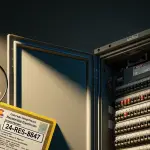
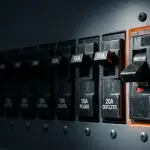
That warm outlet cover in the back bedroom is not a quirk. In an older home, it is your wiring asking for help.
You should rewire a house when the existing wiring is unsafe, undersized for how you live today, or impossible to insure: think knob and tube wiring, 1960s and 1970s aluminum branch circuits, brittle cloth insulation, or a system with no ground. Plan on a typical national range of about $3 to $5 per square foot for straightforward jobs, and more for plaster walls, tight crawlspaces, or major panel work. Most whole-home rewires take 3 to 10 working days.
Key takeaways
- Knob and tube and early aluminum branch wiring are the two biggest reasons to rewire a house built before the late 1970s.
- A partial rewire can fix the worst circuits for far less, but it only makes sense when the rest of the system is sound.
- National cost guides put a basic whole-home rewire around $3 to $5 per square foot, climbing to $12,000 to $35,000 for knob and tube removal.
- If you are already opening walls for a remodel, that is the cheapest moment you will ever get to rewire.
Signs You Need to Rewire a House
The clearest signs you need to rewire are heat, smell, and repeat failures: outlets or switch plates that feel warm, a burning or hot plastic odor, lights that flicker when appliances kick on, and breakers or fuses that trip regularly. Several together usually mean the system, not one device, is the problem.
Here is the checklist electricians work through when deciding whether to rewire a house or just repair it:
- Two-prong outlets throughout the home, which usually means no equipment ground.
- Three-prong outlets with no ground behind them, a common shortcut in older flips.
- Cloth or rubber insulated wire that cracks or crumbles when touched.
- Porcelain knobs and tubes visible in the attic or basement joists.
- Dull silver wire at outlets instead of copper, often stamped “AL” on the jacket.
- A fuse box or undersized panel (60-amp or 100-amp service) feeding a modern household.
- Scorch marks, buzzing, or sparks at outlets or switches.
If your home checks three or more boxes, it is time to price out a full plan to rewire a house rather than chase individual repairs.
Aluminum Wiring and Knob and Tube Wiring: The Real Risks
Aluminum wiring and knob and tube wiring are the two legacy systems that most often force the decision to rewire a house. Neither was designed for modern loads or 50-plus years of heat cycling.
Aluminum branch circuit wiring
Aluminum branch wiring went into homes roughly between 1965 and the mid-1970s, during a copper shortage. The U.S. Consumer Product Safety Commission reports that homes built before 1972 and wired with aluminum were 55 times more likely to have at least one connection reach “fire hazard conditions” than homes wired with copper. The problem lives at the connections: aluminum expands, contracts, and oxidizes, so terminals loosen and overheat over time.
The CPSC’s guide on repairing aluminum wiring in older homes lists three permanent fixes: replace the aluminum with copper, or pigtail each connection with copper using the COPALUM crimp method or AlumiConn connectors. It also warns that twist-on wire nuts and CO/ALR devices alone are not a permanent repair. If you are opening walls anyway, many owners choose to rewire a house outright.
Knob and tube wiring
Knob and tube is the older of the two, found in homes built roughly before the 1940s. It has no ground wire, its rubber insulation turns brittle with age and heat, and it was designed to shed heat into open air.
That combination is why so many insurance carriers now decline or surcharge knob and tube homes. In practice, if you find it in an old Elbert County farmhouse, the question is not whether to rewire a house like that, but when.
Full Rewire vs Partial Rewire
A full rewire replaces every branch circuit from the panel to each outlet, switch, and fixture, while a partial rewire replaces only the problem circuits or rooms.
A partial rewire makes sense when most of the home already has grounded copper wiring and the trouble is isolated, like a 1950s addition, a DIY basement, or a kitchen that has outgrown its two small-appliance circuits.
A full plan to rewire a house makes more sense when:
- Knob and tube or aluminum branch wiring runs throughout the home.
- Your insurer requires removal of legacy wiring as a condition of coverage.
- You are gutting most rooms for a remodel anyway.
- The panel needs replacing and nearly every circuit would need work to meet current code.
Cost to Rewire a House: Typical 2026 Ranges
The cost to rewire a house typically lands between $3 and $5 per square foot for accessible, drywall-finished homes, according to national cost guides updated in 2026. Older homes with plaster walls, knob and tube removal, or tight access can run $5 to $17 per square foot. These are research-based national ranges, not a Hey Dude Electrical Service quote.
| Project | Typical national range | What drives it up |
|---|---|---|
| Single bedroom (about 200 sq ft) | $600 to $1,000 | Plaster walls, added circuits |
| Kitchen circuits (about 150 sq ft) | $450 to $750 | Dedicated appliance and GFCI circuits |
| 1,000 sq ft home | $3,000 to $5,000 | Crawlspace access, panel upgrade |
| 2,000 sq ft home | $6,000 to $10,000 | Finished basements, multiple stories |
| 3,000 sq ft home | $9,000 to $15,000 | Long runs, outbuildings |
| Knob and tube replacement | $12,000 to $35,000 | Removal, patching, new panel |
| Permits and inspections | $250 to $900 permit, $150 to $250 inspection | Jurisdiction and scope |
A new 200-amp panel, wall patching, and extra circuits (an EV charger, a shop, a home office) all change what it costs to rewire a house. Get every quote itemized.
Rewire a House During a Remodel and Save
The smartest time to rewire a house is while the walls are already open for a remodel, because the most expensive part of rewiring an occupied home is fishing wire through finished walls and patching afterward.
If you are planning a kitchen gut, a basement finish, or a whole-floor renovation, ask your electrician to price the rewire alongside remodel and renovation electrical work so it is sequenced before drywall. It is also the cheapest moment to add network drops and security camera wiring.
Rewiring without a remodel is absolutely doable too. It just takes more labor and more patching.
How Long It Takes and Living at Home During the Work
Most whole-home rewires take 3 to 10 working days, depending on square footage, construction type, access, and crew size. A partial rewire of a few rooms can wrap in 1 to 3 days.
You can usually stay in the house while crews rewire a house, especially if the work is phased so power is restored to finished circuits each evening. Expect dust, some furniture moving, and a few hours each day without power in the rooms being worked. Staying home can lengthen the job slightly because of daily cleanup.
Insurance Implications of Old Wiring
Rewiring often makes a home easier and cheaper to insure. Many carriers refuse to write new policies on homes with active knob and tube, and some add surcharges or require an electrician’s inspection letter for older aluminum branch wiring.
Before you buy an older home, ask your insurance agent about knob and tube and aluminum branch circuits. After a rewire, keep the permit, final inspection record, and an itemized invoice. Those documents are what underwriters ask for when you request a better rate or a new policy.
Rewiring Older Homes Around Elizabeth, Franktown, Kiowa, and Elbert
Older homes east of Parker and Castle Rock have their own wiring story. Farmhouses and ranch properties in Elbert County often grew one project at a time, so it is common to find a 1940s core, a 1970s addition with aluminum branch circuits, and a shop or barn fed by a long, undersized run.
A few local factors change the math when you rewire a house out here:
- 1970s ranch homes in and around Elizabeth and Franktown fall right in the aluminum branch wiring window, so a quick check at a few outlets is worth it.
- Rural acreage in Kiowa and Elbert often means well pumps, detached shops, and outbuildings that need properly sized feeders and grounding.
- Front Range lightning and wind make solid grounding and bonding and whole-home surge protection worth including in the scope.
- Permits go through your town building department, the county, or the Colorado State Electrical Board in areas without local inspection, depending on your address.
- Utility coordination for a service upgrade runs through CORE Electric Cooperative or Xcel Energy, depending on where you live.
Hey Dude Electrical Service is based in Elizabeth, Colorado, and works on older homes across Elbert County and Douglas County, from Franktown acreages to Castle Pines and Larkspur.
Frequently Asked Questions
How much does it cost to rewire a house in 2026?
Most national cost guides put a whole-home rewire at about $3 to $5 per square foot for accessible homes, which works out to roughly $6,000 to $10,000 for 2,000 square feet. Older homes with plaster walls, tight crawlspaces, or knob and tube removal can run $5 to $17 per square foot. Panel upgrades, permits, and wall patching are often priced separately, so ask for an itemized quote.
How long does it take to rewire a house?
A typical whole-home rewire takes 3 to 10 working days. Smaller, single-story homes with attic and crawlspace access finish on the shorter end, while larger homes, finished basements, and plaster walls take longer. A partial rewire covering a kitchen or a few bedrooms usually wraps in 1 to 3 days. Inspections and patching can add a few days on either side.
Can you rewire a house without removing drywall?
Yes, most homes can be rewired without tearing out drywall. Electricians fish new cable through attics, crawlspaces, and basements and cut small, targeted access holes at outlets, switches, and top plates. Those holes get patched afterward. Full wall removal only makes sense when you are already remodeling, which is the cheapest time to rewire since the studs are exposed.
Can I live in my house while it is being rewired?
Usually, yes. Most crews work room by room and restore power to finished circuits at the end of each day, so you keep a working kitchen and bedrooms. Expect dust, some furniture moving, and a few hours of daily power loss in active areas. If you work from home or rely on medical equipment, plan those days with your electrician in advance.
Is aluminum wiring dangerous?
Aluminum branch wiring from roughly 1965 to the mid-1970s carries a real fire risk at its connections. The U.S. Consumer Product Safety Commission found pre-1972 aluminum-wired homes were 55 times more likely to have a connection reach fire hazard conditions than copper homes. Permanent fixes include full copper replacement or pigtailing with COPALUM or AlumiConn connectors, not ordinary wire nuts.
Does homeowners insurance cover a house with knob and tube wiring?
Many insurers will not write a new policy on a home with active knob and tube wiring, and others add surcharges or require an electrician’s inspection first. Coverage rules vary by carrier, so ask your agent directly before buying an older home. Replacing knob and tube and keeping the permit and final inspection records is typically the fastest way to secure standard coverage.
What is the difference between a full and partial rewire?
A full rewire replaces every branch circuit in the home, from the panel to each outlet, switch, and fixture. A partial rewire replaces only specific rooms or problem circuits, like an old addition or an overloaded kitchen. Partial work costs less but only makes sense when the remaining wiring is grounded, copper, and in good shape. An electrician’s inspection tells you which path fits.
Do I need a permit to rewire a house in Colorado?
Yes, rewiring in Colorado requires an electrical permit and inspections. Depending on your address, the permit comes from your town building department, your county, or the Colorado State Electrical Board where no local authority inspects. A licensed electrical contractor normally pulls the permit and schedules rough and final inspections. Keep the final approval, since insurers and future buyers often ask for it.
Are 1970s ranch homes in Elbert County likely to need rewiring?
Many 1970s ranch homes around Elizabeth, Franktown, and Kiowa were built during the aluminum branch wiring era, so they are worth checking. Look for dull silver wire at outlets or “AL” printed on cable jackets in the basement or attic. Homes that also have 100-amp service, two-prong outlets, or add-on shops and well pumps often benefit from a partial or full rewire.
Who rewires older homes near Elizabeth, Parker, and Castle Rock?
Hey Dude Electrical Service, a Colorado-licensed and fully insured electrical contractor based in Elizabeth, Colorado, handles whole-home and partial rewires across Elbert County and Douglas County. The crew works in Parker, Castle Rock, Franktown, Kiowa, Elbert, Castle Pines, and Larkspur, and offers free on-site quotes. Call (303) 656-6349 to schedule a walkthrough of your older home.
Ready to Rewire a House the Right Way?
If your home has knob and tube, aluminum branch circuits, or a panel that is older than you are, we will come out, open things up, and tell you straight whether you need to rewire a house fully or just fix the worst circuits. Free on-site quotes, straight pricing, and code-compliant work built to pass inspection the first time.
Everything electrical. One crew you can call. Reach Hey Dude Electrical Service at (303) 656-6349 to book your walkthrough anywhere from Elizabeth and Franktown to Parker and Castle Rock.